Building High-Performing Teams through Collaboration
KL
The Importance of Collaboration in Team Building
In today's fast-paced business environment, creating high-performing teams is crucial for success. A key component of this is fostering a culture of collaboration. By emphasizing teamwork, organizations can harness diverse skills and perspectives, driving innovation and efficiency.
Collaboration encourages open communication, allowing team members to share ideas and feedback freely. This openness builds trust and respect, essential elements for any successful team. When employees feel valued and heard, they are more likely to contribute their best efforts.
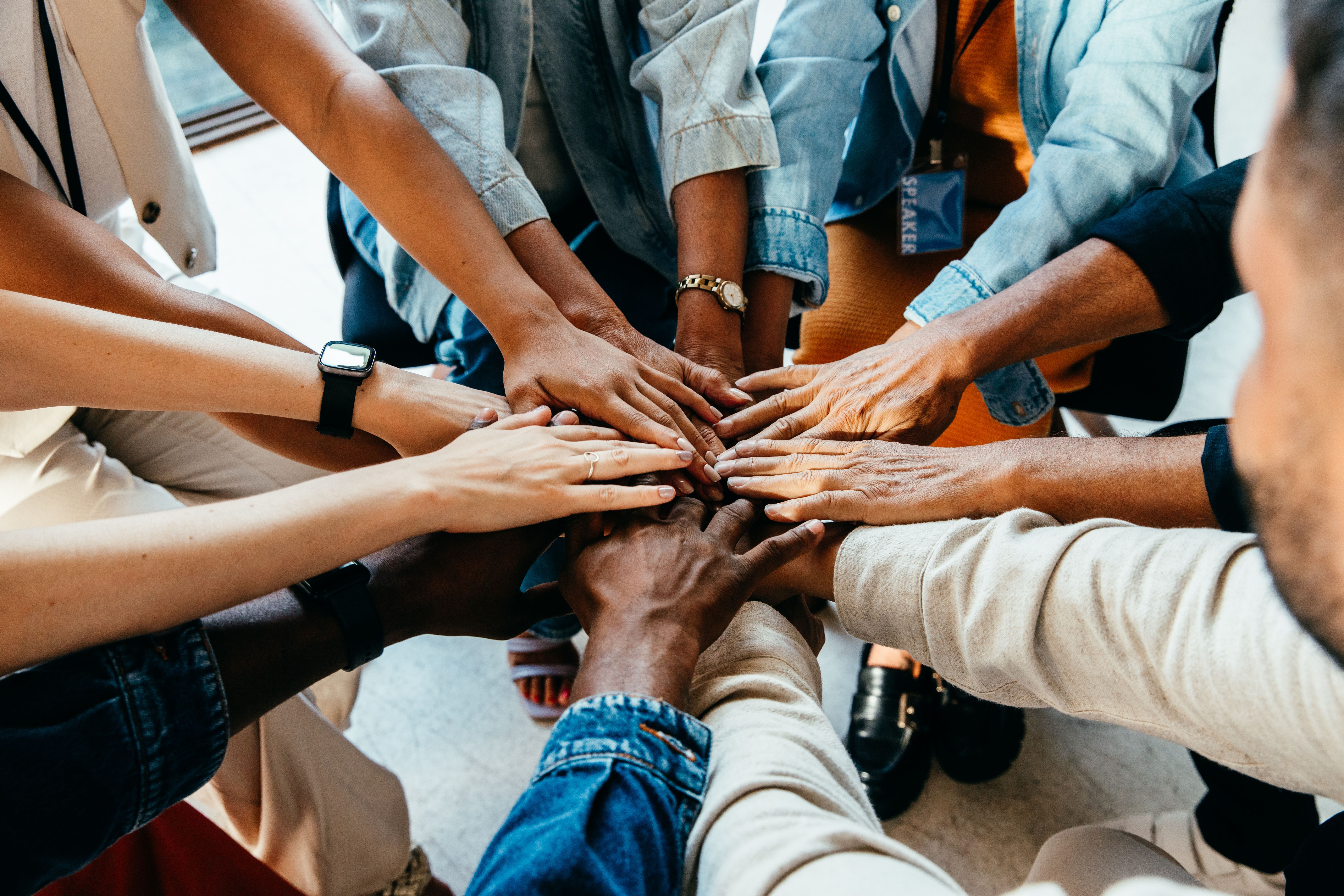
Strategies to Enhance Team Collaboration
To build a collaborative environment, it's important to implement strategies that encourage teamwork. Here are a few effective approaches:
- Define clear goals: Ensure everyone understands the team's objectives and their role in achieving them.
- Encourage open communication: Create channels for team members to share ideas and feedback regularly.
- Leverage technology: Utilize collaboration tools that facilitate communication and project management.
The Role of Leadership in Team Collaboration
Leadership plays a pivotal role in fostering collaboration. Leaders must model collaborative behavior and create an environment where teamwork is celebrated. By promoting a culture of inclusivity and respect, leaders can inspire their teams to work together effectively.
Moreover, leaders should provide regular feedback and recognition. Acknowledging the contributions of team members boosts morale and reinforces the importance of collaboration. This recognition can be as simple as a shout-out in a meeting or a formal award.

Overcoming Challenges in Team Collaboration
While collaboration offers many benefits, it can also present challenges. Conflicts may arise due to differing opinions or personalities. It's crucial to address these issues promptly to maintain a harmonious team dynamic.
One effective way to manage conflicts is through active listening. By understanding different viewpoints, team members can find common ground and work towards mutually beneficial solutions. Training in conflict resolution can also be invaluable in navigating these challenges.
Measuring the Success of Collaborative Teams
To ensure ongoing success, it's important to measure the effectiveness of collaborative efforts. Metrics such as project completion rates, employee satisfaction, and innovation levels can provide valuable insights. Regularly reviewing these metrics helps identify areas for improvement and celebrate successes.
In addition, gathering feedback from team members about their collaborative experiences can offer actionable insights. This feedback can guide future strategies to enhance teamwork and performance.
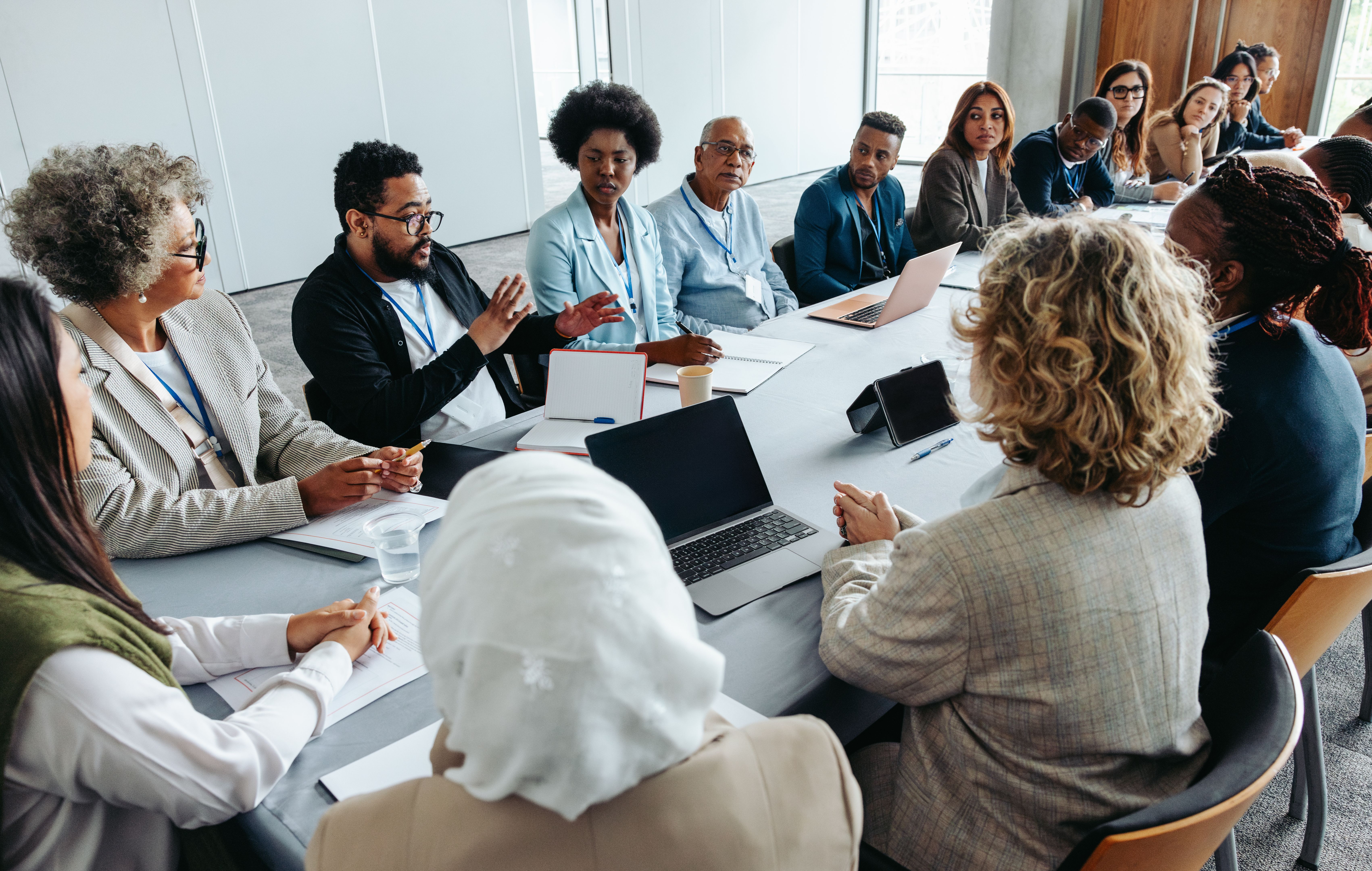
Ultimately, building high-performing teams through collaboration requires dedication, strategic planning, and effective leadership. By investing in these areas, organizations can create a thriving workplace where innovation and success are the norm.